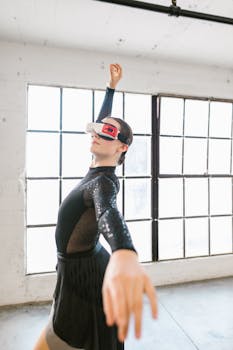
Dance is a universal language that transcends cultural boundaries. However, in recent years, the integration of analytics into dance has emerged as a significant trend. This intriguing intersection of art and science is reshaping how dancers and choreographers approach performance and training.
As dance continues to evolve, understanding the role of analytics provides valuable insights. Dance analytics involves measuring, evaluating, and interpreting data related to movement, performance, and audience engagement. This cannot only enhance creativity, but it can also foster a deeper connection between performers and their audiences.
In this article, we will explore various aspects of dance analytics. We will discuss its significance, various methodologies, applications in training, audience analysis, and the future of dance analytics. By the end, you will gain a comprehensive understanding of how dance analytics is reshaping the world of dance.
What is Dance Analytics?
Dance analytics refers to the systematic collection and interpretation of data related to dance performances. This includes various aspects like technique, choreography, and even audience engagement. Through quantifiable data, dancers can assess their performance and identify areas for improvement.
Using motion capture, video analysis, and sensor technology, dance analytics transforms the way dancers train and perform. Data-driven insights help coaches tailor programs that enhance physical capabilities and expression. It enables personalized training experiences for dancers.
The core of dance analytics is its focus on empirical evidence. By gathering data through observations and technology, artists can evaluate their progress. This leads to more informed decisions both in training regimens and performance choices.
Incorporating analytics into dance encourages a culture of learning and improvement. As dancers embrace this technology, they also embrace a new level of artistic growth. This collaborative relationship between data and creativity elevates the artistic experience.
Overall, dance analytics acts as a bridge between the art of dance and scientific methodology. The unique partnership presents opportunities for growth and innovation in dance artistry.
Methodologies in Dance Analytics
Several methodologies exist within dance analytics that cater to various aspects of performance. Each method offers a unique lens for analyzing dance, enhancing both artistry and technique. Understanding these methodologies is crucial for dancers seeking to improve their skills.
Motion capture technology is one of the most advanced methodologies. This process captures dancers’ movements in real time through sensors placed on their bodies. It provides precise data on angles, velocity, and posture, contributing valuable insights.
Another common method includes video analysis. Dancers record their performances and analyze them frame by frame. This allows a deeper understanding of timing, space, and expression. Dancers can self-assess and receive feedback more effectively.
Additionally, wearable sensors are becoming increasingly prominent. These devices track physical metrics such as heart rate, muscle engagement, and fatigue levels. This quantifiable data informs dancers of their physical limits and aids in injury prevention.
Lastly, audience analytics plays a significant role in shaping performance. Understanding audience reactions through surveys, social media feedback, and engagement metrics allows dancers to tailor their performances. This methodology serves as a vital feedback loop.
Applications of Dance Analytics in Training
The applications of dance analytics in training are vast and impactful. Integrating analytics into training programs helps dancers achieve optimal performance levels. It shifts the focus from traditional methods to a more scientific approach.
Through motion capture, instructors can provide precise feedback. This technology highlights aspects of choreography that may need refinement or adjustment. Dancers can visualize their movements and understand areas needing improvement.
Moreover, video analysis enables dancers to self-evaluate performances. This self-assessment fosters independence and critical thinking in dancers. They learn to recognize their strengths and weaknesses through their lens.
Wearable sensors help track physical performance metrics during training sessions. By monitoring fatigue levels, dancers can prevent injuries and avoid overtraining. This proactive approach extends their careers and maintains their physical health.
Lastly, analytics foster a culture of sharing knowledge among dancers. By understanding empirical data, dancers become more collaborative. Sharing insights can lead to unexpected creative breakthroughs in performances.
Utilizing Dance Analytics for Audience Engagement
Dance analytics isn’t limited to improving the dancer’s performance; it also plays a crucial role in audience engagement. Understanding how audiences react to performances can enhance future productions. Engaging audiences effectively is essential for any successful performance.
Interpreting audience analytics involves collecting and analyzing data on ticket sales, online trends, and social media interactions. This information can provide insights into which performances resonate most with audiences. Such understanding guides future performance choices.
Feedback through surveys and social media comments also deepens audience relationships. Dancers and choreographers can adapt their performances based on audience preferences, making the art form more relatable and impactful.
Moreover, live-streaming events have transformed audience engagement. By analyzing viewer interactions during online performances, artists can tailor their works for broader appeal. This data-driven approach helps performers stay relevant in today’s digital landscape.
Ultimately, leveraging data to understand audiences strengthens the bond between performers and their fans. This two-way relationship enriches the overall experience and fosters loyalty among audience members.
The Future of Dance Analytics
The future of dance analytics holds exciting possibilities as technology advances. As tools and methodologies become more sophisticated, their applications in dance will likely expand significantly. Dancers will benefit from the continuous integration of innovative techniques.
Increased collaboration between data analysts and choreographers may yield even more creative expressions. As more data becomes available, dancers will find new ways to interpret it, fostering a deeper understanding of their craft.
Moreover, augmented reality (AR) and virtual reality (VR) are set to play significant roles in dance analytics. These technologies can provide immersive training experiences while offering real-time feedback and analysis.
A focus on interdisciplinary collaborations will encourage growth within the dance community. Artists, scientists, and technicians can come together to explore new avenues for data collection and application.
Ultimately, the future of dance analytics promises to enrich the art form while enhancing performance quality. As we embrace these technological advancements, we can look forward to a new era of dance artistry.
Conclusion
In conclusion, understanding dance analytics offers valuable insights into an evolving art form. The methodologies, applications in training, and audience engagement all contribute to an integrated dance experience. As technology advances, the potential for growth and innovation in dance is immense.
Dancers can leverage analytics to enhance their artistic capabilities, develop deeper connections with audiences, and foster a culture of collaboration and knowledge sharing. Embracing this data-driven approach can lead to more impactful performances.
As we look to the future, it’s clear that dance analytics will continue to shape the landscape of this beautiful art form. Dancers, trainers, and choreographers alike should remain open to these transformative possibilities.